MASEGA HONEY FARMS
At Masega Honey Farms, we believe that protecting nature and empowering community members, especially women and youth, go hand in hand. Masega Honey Farms is a social enterprise business intended to promote sustainable beekeeping as a pathway to economic empowerment , environmental conservation, and sustainable rural development in Tanzania.
Working with women and young people in the regions of Tabora, Katavi, and Singida, we promote beekeeping as an environmentally friendly livelihood that creates alternative income opportunities while encouraging the protection of forests and biodiversity. By engaging communities in conservation and sustainable beekeeping, we are building a future where thriving communities and healthy forests coexist.
At Masega Honey Farms, we believe that protecting nature and empowering community members, especially women and youth, go hand in hand. Masega Honey Farms is a social enterprise business intended to promote sustainable beekeeping as a pathway to economic empowerment , environmental conservation, and sustainable rural development in Tanzania.
Working with women and young people in the regions of Tabora, Katavi, and Singida, we promote beekeeping as an environmentally friendly livelihood that creates alternative income opportunities while encouraging the protection of forests and biodiversity. By engaging communities in conservation and sustainable beekeeping, we are building a future where thriving communities and healthy forests coexist.
Our Mission: People, Planet & Profit
People: Empowering Communities
Planet: Protecting Nature
Profit: Creating Opportunities
Our story
Chapter 01 — Two friends, one idea
Tanzania has extraordinary people, communities and natural resources. We wanted to explore whether a small business could use those resources responsibly, create something people genuinely wanted to buy, and return value to the communities producing it.
Somewhere during those conversations, Amoni said:
What about bees?
That became the beginning of Masega.
Chapter 02 — Four beehives
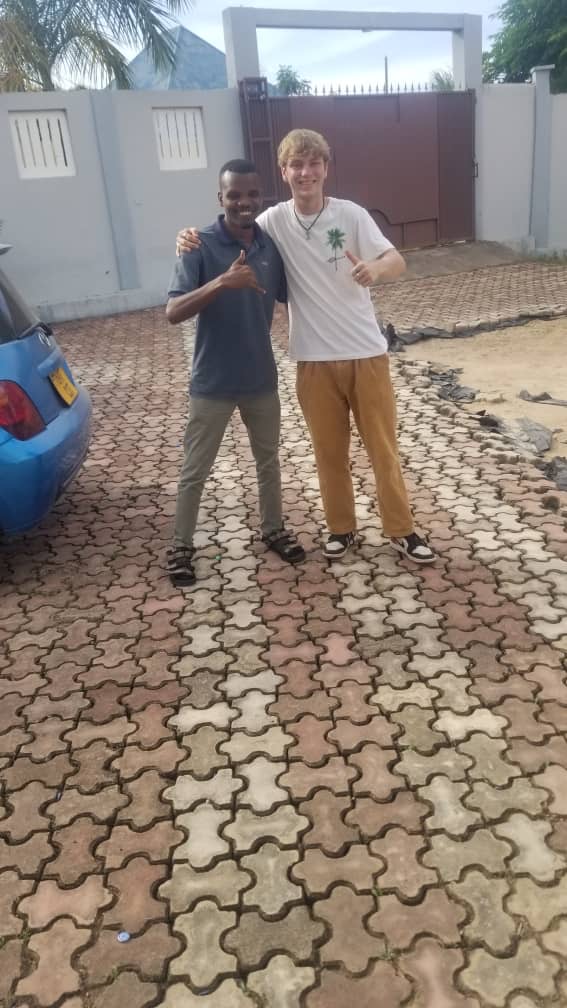
There was no factory, honey brand or finished product. Yannick sent what he could from the Netherlands, and Amoni bought timber locally and began building.
Together, we funded and built our first four commercial beehives.
They were small proof that the idea could become something real.
Chapter 03 — Into the forest
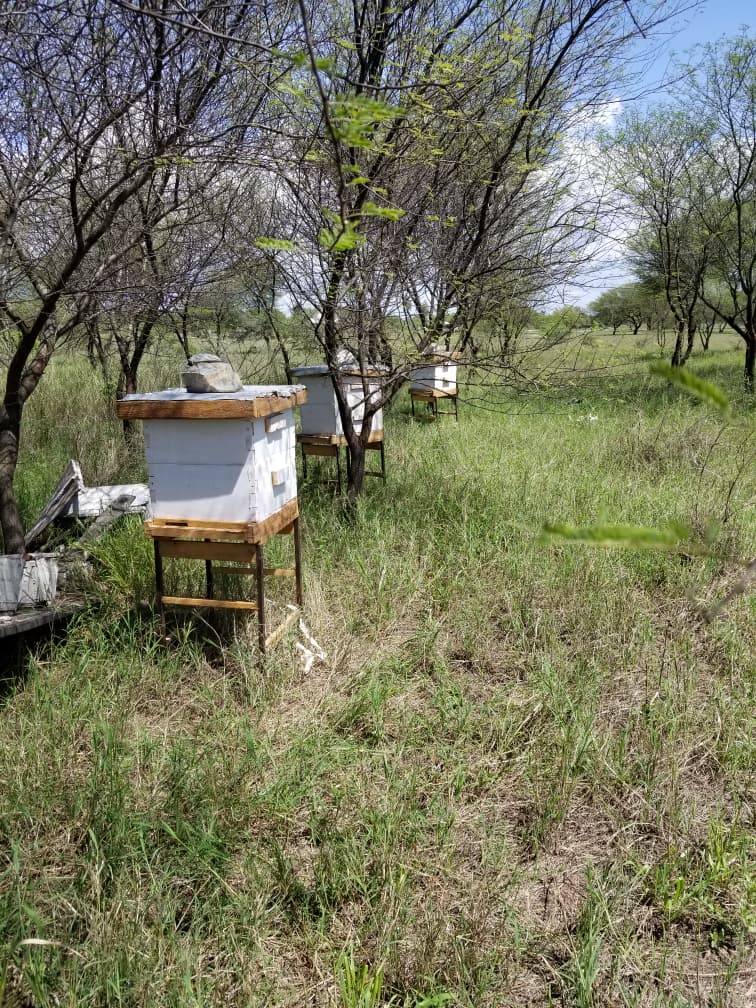
Inyonga is surrounded by extensive natural forest, creating enormous potential for beekeeping. Our first hives were placed in a public forest near the government offices.
And then we waited.
Because ultimately, the bees had to believe in the idea too.
Chapter 04 — A much bigger plan
We could finally show what we wanted to build instead of only talking about it. Using the first photographs, plans and results from the project, we secured $5,000 in funding from TEF to take Masega to the next stage.